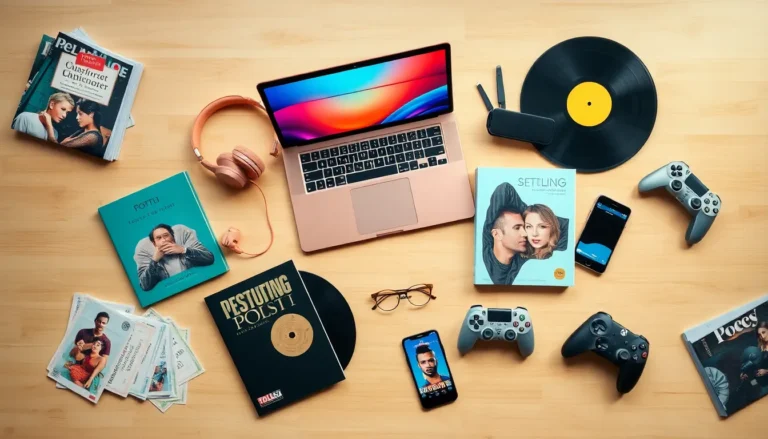

Pop culture picks tools help users organize, track, and share their favorite movies, TV shows, music, books, and games. These platforms have become essential for anyone who wants to keep their media preferences in one place. Whether someone binges Netflix series or collects vinyl records, pop culture picks tools offer a simple way to catalog everything they love.
The best part? Sharing curated lists with friends, followers, or online communities has never been easier. This guide covers what these tools are, which features matter most, and how to build lists worth sharing.
Table of Contents
ToggleKey Takeaways
- Pop culture picks tools let you organize, track, and share your favorite movies, TV shows, music, books, and games in one centralized digital library.
- Look for essential features like cross-platform syncing, customizable tags, social integration, and import/export options when choosing a tool.
- Popular platforms include Letterboxd for films, Goodreads for books, Trakt for TV shows, and Notion for fully customizable media tracking.
- Create lists with specific themes like “Underrated Sci-Fi Films From the 1990s” rather than generic titles to attract engaged audiences.
- Add brief descriptions to each pick explaining why it made the list to build trust and provide real value to your followers.
- Regularly update your lists and cross-promote them on social media to grow your audience and establish yourself as a tastemaker.
What Are Pop Culture Picks Tools?
Pop culture picks tools are digital platforms that let users create collections of their favorite entertainment content. Think of them as personal libraries for everything from blockbuster films to indie podcasts.
These tools serve several purposes:
- Tracking: Users can log what they’ve watched, read, or listened to
- Rating: Most platforms allow star ratings or custom scoring systems
- Discovery: Algorithms suggest new content based on existing preferences
- Social sharing: Lists can be published publicly or shared with specific groups
Some pop culture picks tools focus on one category, like Letterboxd for films or Goodreads for books. Others, like Trakt or Notion templates, handle multiple media types at once.
The appeal is straightforward. People consume more content than ever before. A 2024 Nielsen report found that Americans spend over 5 hours daily on streaming platforms alone. Pop culture picks tools help users make sense of that consumption. They turn passive viewing into active curation.
For content creators and influencers, these tools also provide ready-made content. A well-organized “Top 10 Horror Movies” list can spark conversation, drive engagement, and establish someone as a tastemaker in their niche.
Top Features to Look for in a Pop Culture Picks Tool
Not all pop culture picks tools are created equal. The right choice depends on individual needs, but certain features separate good platforms from great ones.
Cross-Platform Syncing
A quality tool should work across devices. Users want to add a movie from their phone during lunch and access the same list on their laptop later. Cloud-based syncing makes this possible without manual exports or duplicate entries.
Customizable Categories and Tags
Basic tools offer pre-set categories like “Movies” or “Books.” Better pop culture picks tools let users create custom tags. Someone might want to organize films by mood (“Rainy Day Watches”), director, or decade. Flexibility here makes a big difference.
Social Integration
Sharing should be effortless. Look for tools that connect directly to Twitter, Instagram, or Discord. Some platforms generate shareable graphics automatically, a nice touch for anyone building an online presence around their picks.
Import and Export Options
No one wants to manually re-enter 500 albums. Good pop culture picks tools support imports from existing platforms (like IMDb watchlists or Spotify libraries) and exports in common formats like CSV.
Clean User Interface
A cluttered interface kills the experience. The best tools present information clearly, with intuitive search functions and minimal loading times. If finding a saved item takes longer than 10 seconds, the tool isn’t doing its job.
Privacy Controls
Some lists are meant for public consumption. Others are personal. Solid pop culture picks tools offer granular privacy settings, letting users decide exactly who sees what.
Popular Platforms for Organizing Your Pop Culture Favorites
Several platforms have earned loyal followings among pop culture enthusiasts. Here’s a breakdown of the most popular options:
Letterboxd remains the gold standard for film lovers. Users can log movies, write reviews, and follow friends’ activity. Its social features make it feel like a community rather than just a database. The free tier covers basics, while the Pro version ($19.99/year) removes ads and adds statistics.
Goodreads dominates book tracking. Owned by Amazon, it boasts over 125 million members. Users set reading goals, join book clubs, and discover titles through reviews. Its pop culture picks tools for literature are hard to beat, though some criticize its dated interface.
Trakt appeals to TV obsessives. It tracks episodes across streaming services and predicts viewing habits. Integration with media centers like Plex makes it popular among cord-cutters.
Notion takes a different approach. This all-in-one workspace lets users build custom pop culture picks tools from scratch. Templates for movie databases, reading logs, and music collections are widely available. The learning curve is steeper, but the customization options are unmatched.
Serializd has emerged as a newer option for TV tracking, offering a cleaner design than some competitors.
Last.fm continues to serve music fans who want detailed listening statistics and artist recommendations based on their habits.
Each platform has strengths. The best choice depends on which media types someone prioritizes and whether they prefer pre-built solutions or customizable frameworks.
How to Build and Share Your Curated Lists
Creating a list is easy. Creating a list people actually want to see takes more thought. Here’s how to build pop culture picks that resonate.
Start With a Clear Theme
Generic lists blend into the background. “Movies I Like” says nothing. “Underrated Sci-Fi Films From the 1990s” tells a story. Specific themes attract specific audiences, and specific audiences engage more deeply.
Add Context to Each Pick
A title alone isn’t enough. Brief descriptions explaining why something made the list add value. Two sentences can turn a random entry into a recommendation someone trusts.
Update Regularly
Stale lists lose followers. Set a schedule, monthly updates, quarterly refreshes, or additions whenever something new stands out. Consistency builds an audience over time.
Cross-Promote Across Platforms
Don’t let lists sit in one place. Share them on social media, embed them in blog posts, or discuss them on podcasts. Pop culture picks tools work best when integrated into a broader content strategy.
Engage With Your Audience
When someone comments on a pick, respond. Ask followers what they’d add. Turn one-way lists into two-way conversations. This builds community and provides ideas for future content.
Use Visual Elements
Posters, album covers, and book jackets make lists more appealing. Most pop culture picks tools pull this imagery automatically, but double-check that visuals display correctly before sharing.